
Nutrition
Why Your ‘Healthy’ Diet Isn’t Helping Your Gut
You changed what you eat — but not how your gut receives it.
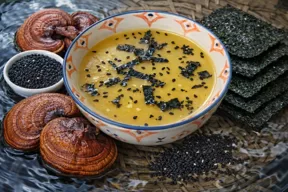
“Why Your ‘Healthy’ Diet Helps Your Labs… But Not Your Gut”
Most people start an anti‑inflammatory diet with the best intentions.
They add smoothies, berries, turmeric, raw veggies, and “clean” bowls.
And at first, something encouraging happens:
Their labs improve. Their weight drops. Their blood pressure and cholesterol look better.
This is real — and it’s motivating.
But it’s also only half the story.
Because for many people, something else begins to happen:
- bloating
- gas
- fullness after eating
- stomach or intestinal discomfort
- irregular bowel movements
- joints that don’t improve
- fatigue after meals
- a sense that their gut feels “off” even though they’re “eating healthy”
And they don’t understand why.
Here’s the part no one explains:
You changed what you eat, but not how your gut receives it.
Yes — removing processed foods, excess fats, and heavy meals will improve labs.
Yes — adding more plants and fiber will help your metabolism.
Yes — weight loss alone can shift your numbers in a positive direction.
But none of that automatically heals the digestive system.
In fact, for many people, the sudden increase in cold foods, raw ingredients, and high‑fiber blends actually overwhelms the gut.
From a modern perspective, this looks like:
- too much raw fiber too quickly
- slowed motility from cold foods
- fermentation from incomplete digestion
- microbiome disruption from overload rather than nourishment
From an East Asian medicine perspective, it looks like:
- cold accumulation
- Spleen/Stomach weakness
- digestive stagnation
- impaired transformation and transportation
Different languages, same experience.
Healthy ingredients don’t guarantee a healthy gut.
This is why so many people feel worse even while their labs look better.
The missing piece is this:
Your gut needs warmth, simplicity, and digestible forms to truly heal.
The foods that calm inflammation at the root are not the trendy ones.
They’re the traditional ones:
- warm teas
- broths
- porridges
- congee
- soups
- soft, warm, single‑bowl dishes
These forms:
- warm the digestive fire
- reduce the workload
- allow nutrients to be absorbed
- stabilize the microbiota
- calm inflammation
- support motility
- nourish without overwhelming
They create the internal environment where your gut can actually do its job — and feel good doing it.
So, if you’ve ever wondered why your “healthy” diet leaves you bloated, uncomfortable, or confused…
it might not be the ingredients.
It might be the form.

This is the heart of what I teach in my books:
how to choose foods and prepare them in ways that support your body’s internal climate, digestion, and healing — gently, warmly, and sustainably.
If you want to learn how to actually heal the gut — not just eat from a list — my books walk you through the forms, temperatures, and methods that make all the difference.
When Your Next Meal is Part of the Treatment Plan
For many chronic health issues, everyday exposures matter most. Food isn’t only fuel. It’s raw material, signaling molecules, and a daily set of “instructions” your body reads repeatedly.
The idea of food as medicine isn’t new. It shows up in traditional healing systems, in public health, and increasingly in modern clinical research. The most useful way to think about it today is practical and evidence-based:
- Food can reduce risk (primary prevention).
- Food can support treatment alongside medical care (adjunct therapy).
- Food can change symptoms by affecting inflammation, blood pressure, lipids, glucose, the gut microbiome, and even brain signaling.
It won’t replace necessary medications or procedures. But in many cases, it can meaningfully shift the trajectory of health and sometimes quickly. continue reading
The Benefits of the Anti-Inflammatory Diet
When people face a variety of health challenges or simply changes in how they feel and their relationship to food, they may change their philosophy and look to food as medicine. And for those diligent enough to do the research, they may discover the anti-inflammatory diet—a nutritional approach that some say has transformed their life. continue reading
The Benefits of Eating for the Seasons
Restaurants that have revolving seasonal menus have gained in popularity in recent years. The concept of seasonal eating has deep roots. Before the advent of modern agriculture and global trade, people naturally consumed foods that were locally available during specific times of the year. But today, the convenience of supermarkets allows us to eat almost any fruit or vegetable year-round. While this accessibility is convenient, it disconnects us from the natural cycles of food and may not always be the healthiest or most sustainable choice. Let’s delve into the benefits of eating for the seasons and how it can transform your health, environment, and culinary experience. continue reading
Acupuncture and Nutritional Support
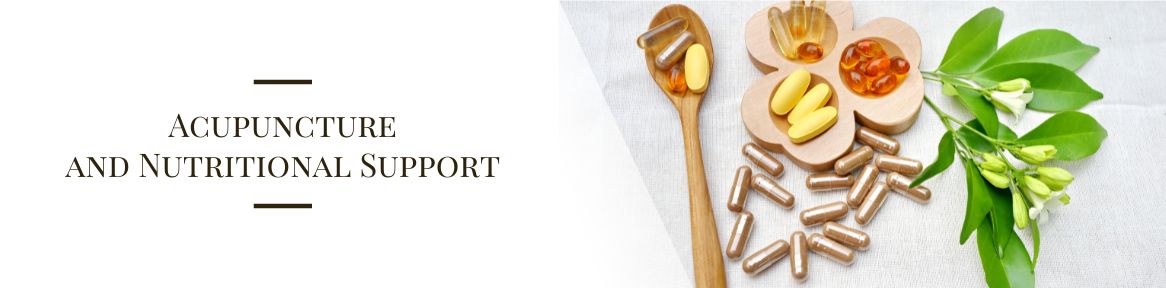
If you are one of the millions of people who made a New Year’s resolution last month to eat better and make healthier choices in 2023, then it might be time to take stock of how that process is going. Are you already off the wagon and back to your unhealthy habits? Or are you keeping your eye on your goals and making progress? No matter which side of the coin you fall on, you might want to talk to your acupuncturist about your nutritional goals. They can be a wealth of information and help as you look to build a better and stronger you. continue reading